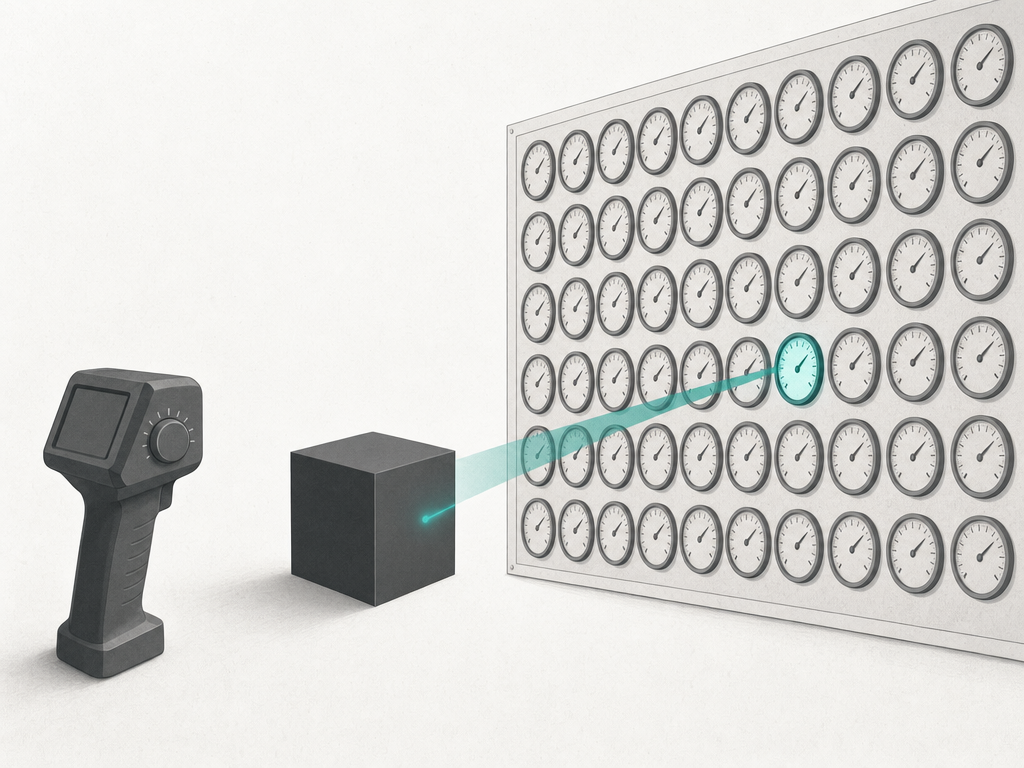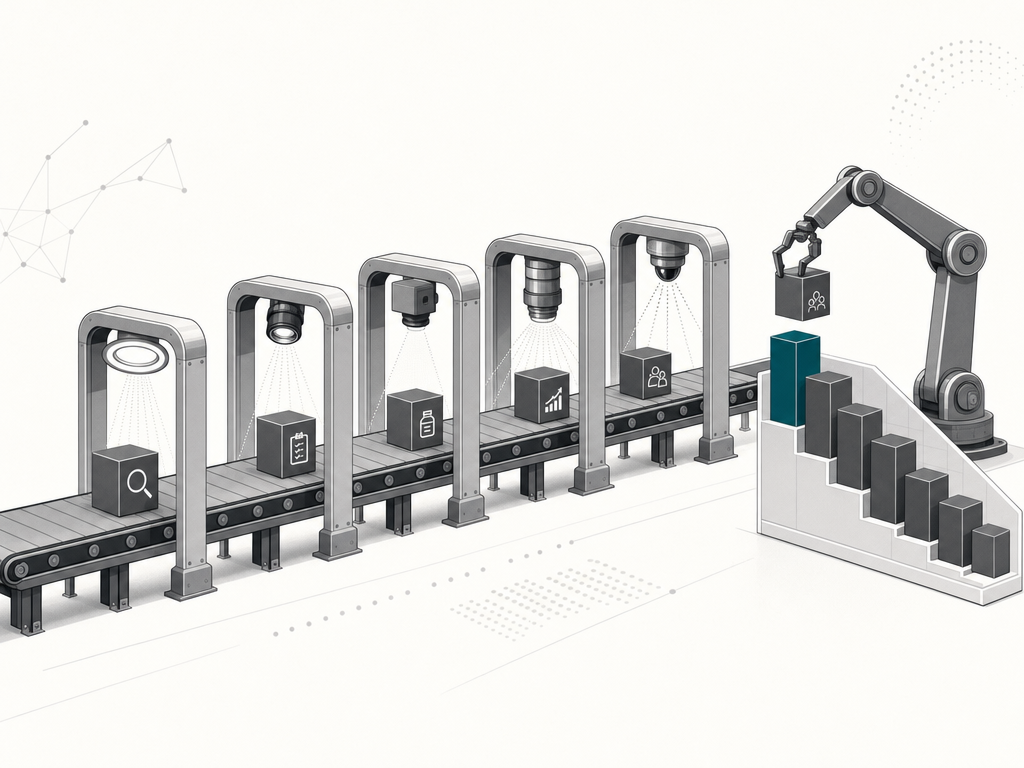
AEO Dose ranks audit findings on two axes: impact on your AI citation likelihood across ChatGPT, Gemini, Perplexity, Claude and Grok, and effort to implement for your team. We do this because an unranked list of findings, no matter how accurate, creates decision paralysis. A pharma team handed a long flat list with no order of operations is no better off than it was before the audit started.
The real problem with most audit deliverables: too many findings, no order of operations
The problem with most audit deliverables is not that they are wrong. It is that they hand you a flat checklist and walk away. Most audit tools ship exactly this: a long list of issues, each tagged critical, high, medium or low, with no sense of what to do on Monday morning.
Severity labels tell you how bad something is. They do not tell you what to fix first. A "critical" finding that requires a full website rebuild and a "high" finding you can resolve in an afternoon end up sitting side by side, and the team stalls trying to decide. For a pharma marketing lead with a small team and a shared IT backlog, that stall is the whole problem. The audit was supposed to create motion. A flat list creates a meeting instead.
What impact means in an AEO audit: effect on citation likelihood across five platforms
Impact in an AEO audit means how much a given fix is likely to change whether AI assistants cite or recommend you when a buyer asks. This is not the same as SEO impact, and it is not a traffic estimate. It is a judgment about citation likelihood across ChatGPT, Gemini, Perplexity, Claude and Grok.
That judgment is grounded in observed platform behavior, not generic heuristics. We test your visibility using real buyer-journey questions grouped into five themes: discovery, evaluation, product and capability, commercial, and support. A finding earns a high impact score when fixing it addresses a question theme where you are currently absent or misrepresented across several platforms. A finding that touches a corner none of the assistants reach when a buyer asks about your category earns a lower impact score, regardless of how technically untidy it is. Impact is tied to the questions your buyers actually ask.
What effort means: team hours, IT dependency, and content lift required
Effort means the real cost of implementing a fix inside your organization: team hours, dependency on IT or a web agency, and the content lift required. It is deliberately practical. A fix that one person can make in your CMS this week is low effort. A fix that requires a developer ticket, a template change, and sign-off from a system owner is not, even if the underlying edit sounds small.
This is where honesty matters. Some high-impact fixes genuinely require real IT investment and cannot be shortcut. Restructuring how product and capability data is published on your site, or standing up structured content where there was none, pulls in developers and sometimes validated-system owners. Pretending otherwise just moves the disappointment later. The effort axis exists so you can see that cost before you commit, not after.
The two-axis matrix and how findings get placed on it
Every finding gets plotted on a two-axis matrix: impact on citation likelihood on one axis, effort to implement on the other. This replaces the flat severity label with a position you can act on. The methodology draws on a discipline I carried from twelve-plus years of Pharma ERP implementation and Computer System Validation, where prioritizing findings across risk and effort is a daily reality, not an abstraction.
Placement produces four practical zones. High impact and low effort are the fixes you schedule immediately. High impact and high effort are the investments you plan and resource properly. Low impact and low effort are housekeeping you fold into other work. Low impact and high effort are the items you consciously defer, and naming them as defer-for-now is itself useful, because it stops them absorbing attention they do not deserve. The 2025 version of this matrix is what we use in current engagements.
Examples: a high-impact low-effort finding versus a high-impact high-effort finding
A high-impact low-effort finding looks like this: your company description across your homepage and key profiles is inconsistent, so assistants cannot reliably state what you manufacture when asked an evaluation-theme question. Tightening that copy and aligning it across a handful of pages is a few hours of work, and it directly affects how clearly the platforms can describe you. High impact, low effort, scheduled first.
A high-impact high-effort finding looks different. Your product and capability pages publish specifications as flat PDFs and image tables, so assistants cannot extract them when a buyer asks a product-capability question. Fixing that means restructuring how the data is published, which pulls in developers and template work. The impact is comparable, but the effort is real. Both belong on the roadmap. The matrix is what tells you to ship the first one now and resource the second one deliberately rather than treating them as interchangeable.
How ranking shifts between an API manufacturer and a nutraceutical brand
The ranking is client-specific, which means an API manufacturer and a nutraceutical brand can get the same finding categories ordered differently. There is no universal highest-leverage fix. The matrix output depends on where each company is absent across the five question themes and on what their team can realistically execute.
An API manufacturer competing on regulatory credentials and capability detail may find that structured product-capability content carries high impact, while their effort to change it is high because the data lives in validated systems. A nutraceutical brand with a nimble marketing CMS but weak third-party presence may find that consistent entity description and authority signals rank higher for them, and the effort to act is low because no IT dependency sits in the way. Same categories, different positions on the matrix, because impact and effort are both read against the specific company.
Using the ranked output inside the Audit, Optimize, Build Authority, Measure, Repeat cycle
The ranked output is the bridge between the Audit and Optimize stages of the Audit, Optimize, Build Authority, Measure, Repeat cycle. The audit produces the findings and plots them. Optimize is where you execute the quick wins and begin resourcing the heavier fixes. Build Authority is where the high-effort, high-impact investments in content and third-party presence pay off over time.
Measure is where you re-test against the same buyer-journey questions to see what moved, and Repeat is where the matrix gets redrawn with the current state as the new baseline. A practical way to use the ranking in quarter planning: take the high-impact low-effort fixes into the next thirty days, scope the high-impact high-effort items for the quarter, and leave the low-impact high-effort items documented but unscheduled. Our standard turnaround on the audit itself is one to two business days.
What to ask your audit provider if your findings are not ranked this way
If your audit deliverable is a flat list of severity labels, ask your provider these questions before you accept it. The answers tell you quickly whether the findings are prioritized rigorously or just catalogued.
- How is impact defined, and is it tied to the actual questions our buyers ask AI assistants, or to generic SEO scoring?
- Which AI platforms were tested, and does the impact score reflect behavior across all of them?
- Does each finding carry an effort estimate that accounts for IT dependency and content lift, not just the edit itself?
- Can you show me the quick wins separately from the investments that need real resourcing?
- How should these findings map to a ninety-day plan for a team with limited dev capacity?
If you want to see how your company appears across the assistants your buyers already use, start here: Get Your Free AI Visibility Check.
Frequently asked questions
What does impact mean in an AEO audit context?
Impact means how much a given fix is likely to change whether AI assistants cite or recommend you when a buyer asks a relevant question. It is not a traffic estimate or an SEO score. We judge it against observed platform behavior across ChatGPT, Gemini, Perplexity, Claude and Grok, using real buyer-journey questions grouped into discovery, evaluation, product and capability, commercial, and support themes. A fix that addresses a theme where you are absent across several platforms earns a higher impact score.
Why are severity labels like critical and high not enough for AEO work?
Severity labels tell you how bad a problem is, not what to fix first. A critical finding that needs a full rebuild and a high finding you can fix in an afternoon look similar on a flat list, which stalls the team. Severity ignores the cost of acting. By adding an effort axis alongside impact, the matrix shows you which fixes deliver citation-likelihood gains for little work and which require real resourcing, so you can sequence the work instead of debating it.
What counts as effort when ranking a finding?
Effort is the real cost of implementing a fix inside your organization: team hours, dependency on IT or a web agency, and the content lift required. A change one person can make in your CMS this week is low effort. A change needing a developer ticket, a template update, and sign-off from a system owner is high effort, even when the underlying edit sounds minor. Some high-impact fixes genuinely require IT investment and cannot be shortcut, and the effort axis makes that cost visible before you commit.
How do findings get placed on the impact-effort matrix?
Each finding is scored on two axes separately. Impact is judged against observed behavior across ChatGPT, Gemini, Perplexity, Claude and Grok, tied to the five buyer-journey themes of discovery, evaluation, product and capability, commercial, and support. Effort is judged against team hours, IT or agency dependency, and content lift. The two scores place the finding into one of four zones: high-impact low-effort, high-impact high-effort, low-impact low-effort, and low-impact high-effort. The zone drives the planning decision.
How does the ranking change between an API manufacturer and a nutraceutical brand?
It changes because both impact and effort are read against the specific company. An API manufacturer may find structured product-capability content carries high impact but high effort because the data lives in validated systems. A nutraceutical brand with a flexible CMS but weak third-party presence may find consistent entity description ranks higher and is low effort because no IT dependency blocks it. The same finding categories land in different positions on the matrix. There is no universal highest-leverage fix.
How does the ranking fit into the Audit, Optimize, Build Authority, Measure, Repeat cycle?
The ranked output bridges the Audit and Optimize stages. The audit produces and plots the findings. Optimize is where you ship quick wins and resource the heavier fixes. Build Authority is where high-effort content and third-party investments pay off over time. Measure re-tests against the same buyer-journey questions to see what moved, and Repeat redraws the matrix with the new baseline. The ranking is what turns a report into a sequence of actions across the cycle.
How should a pharma team use ranked findings in quarter planning?
Take the high-impact low-effort fixes into the next thirty days, since they move citation likelihood for little work. Scope the high-impact high-effort items across the full quarter, because they need developer time or content investment and sign-off. Document the low-impact high-effort items but leave them unscheduled, so they stop absorbing attention. Fold low-impact low-effort housekeeping into other work. This gives a team with limited dev capacity a realistic order of operations rather than an undifferentiated backlog of tasks.